


ADHD is a neurodevelopmental condition that affects how the prefrontal cortex—the part of the brain responsible for planning, organizing, focus, and regulating impulses—manages everyday life. It’s not a sign of laziness or a lack of motivation; it’s simply a different wiring that shapes how you think, feel, and respond to the world around you. Many adults with ADHD are creative, intuitive, and fast-processing, yet often feel misunderstood because their strengths don’t always align with traditional expectations. Through our online and in-person ADHD counseling in Colorado, we help you understand how your ADHD brain works so you can approach yourself with compassion, clarity, and practical tools that fit your real life.
What is Attention Deficient Hyperactivity Disorder - ADHD?

How the Struggle Feels
Living with ADHD often feels like there’s constant mental noise—a hum of thoughts, ideas, reminders, and impulses that rarely quiet down. You might feel “wired,” full of bursts of energy and motivation one moment, only to crash into cycles of burnout or distraction the next. Many adults with ADHD feel stuck between potential and follow-through, wanting to accomplish so much but struggling to sustain focus, finish tasks, or follow their own intentions. ADHD can show up as restlessness, overwhelm, time blindness, forgetfulness, or emotional intensity. These challenges aren’t about willpower—they stem from neurodivergent brain chemistry that doesn’t provide enough sustained dopamine or other neurochemicals for consistent motivation. In our Colorado ADHD therapy, available online or in person, we help you make sense of these patterns, reduce mental noise, and build practical strategies to feel grounded, focused, and more in control of your life.
3 Common types of adhd
Understanding the most common types of ADHD: Symptoms, Strengths, and Strategies
-
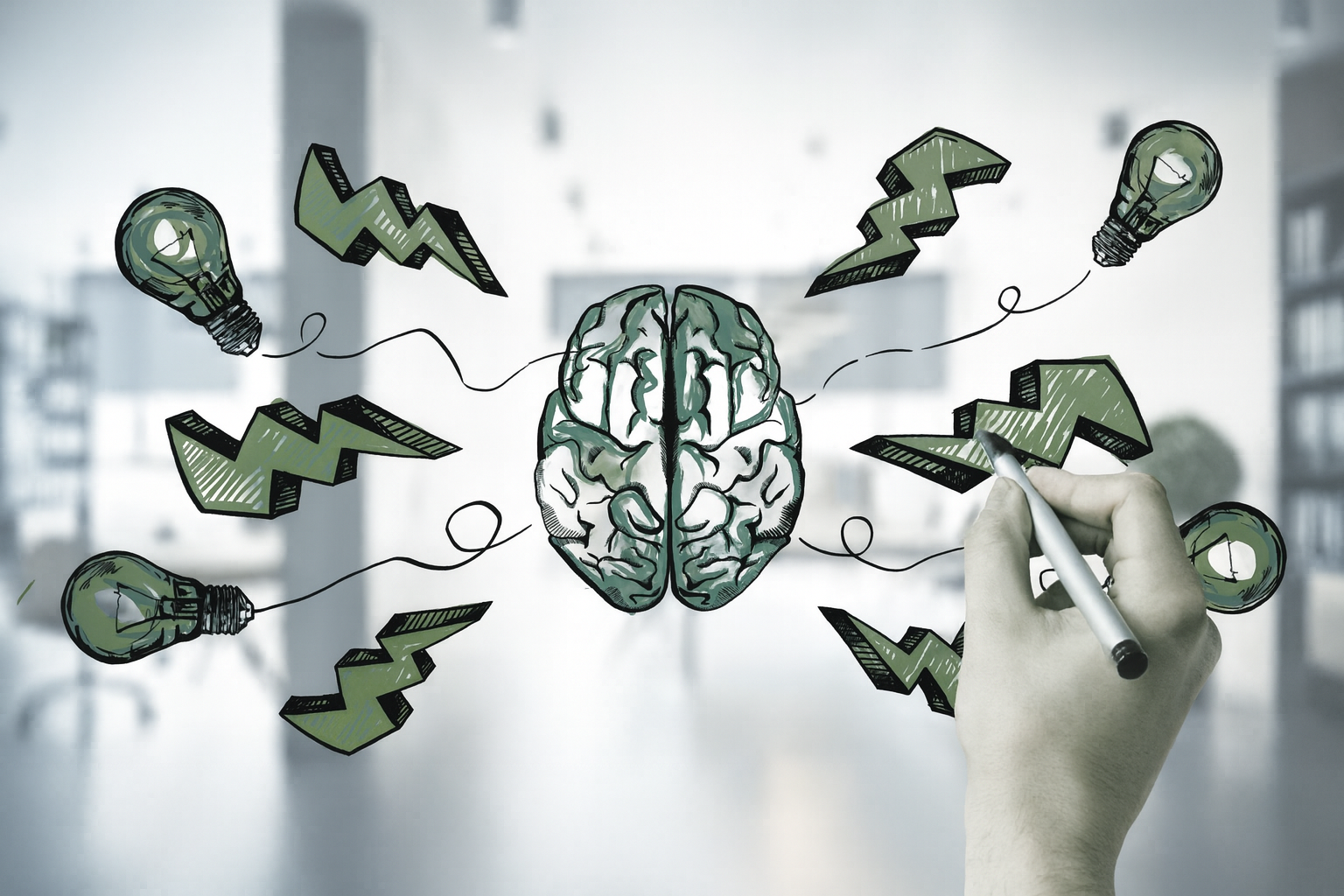
Type 1: Classic ADHD
Classic (Hyperactive) ADHD is when the brain and body are always in motion, causing high energy, impulsivity, and trouble focusing. People with this type often feel restless or constantly “on the go,” even when they want to relax, because the brain’s focus and impulse-control centers can’t keep up with its fast energy system.
-
Type 2: Inattentive ADHD
Inattentive ADD is when the brain drifts instead of locks in, leading to daydreaming, mental fog, and trouble focusing. People with this type often seem calm or quiet, but inside they’re battling to stay motivated, organized, and follow through, because their focus and alertness centers don’t fully switch on.
-

Type 3: Combined Inattentive/Hyperactive
Combined ADHD is when your brain spins fast but can’t stay on one track—like having too many tabs open at once. This type of ADHD blends hyperactivity and inattention, so you might feel restless, impulsive, and easily distracted, with too much energy but not enough focus. It often feels like your mind is racing ahead while the rest of you is just trying to catch up.

Our Approach
Our approach to ADHD counseling in Colorado—online or in person—is warm, compassionate, and practical. We focus on understanding you first, not just your symptoms. We see ADHD through a lens of both compassion and possibility, recognizing the unique gifts and strengths it brings alongside the challenges. Together, we explore your unique way of thinking, identify patterns that create overwhelm or burnout, and build strategies that actually fit your life, energy, and strengths. Using evidence-based ADHD therapy, we help you create routines, systems, and habits that support focus, emotional regulation, and sustained motivation. Whether you’ve struggled for years with feeling “wired,” distracted, or stuck in cycles of motivation and burnout, our approach helps you feel seen, understood, and empowered to navigate life with your ADHD brain—working with it as an ally, not against it