

Virtual EMDR Therapy
Safe, Confidential Online EMDR Therapy in Colorado—Trauma Healing from Home.

What is
Eye Movement Desensitization Reprocessing
EMDR?
Eye Movement Desensitization and Reprocessing (EMDR) therapy is an evidence-based treatment for trauma, anxiety, depression, and PTSD. Developed by Dr. Francine Shapiro in the late 1980s, EMDR helps individuals process painful memories and emotional distress that continue to impact daily life. Through gentle, structured sessions in a safe and supportive environment, EMDR therapy allows you to release the weight of past experiences and build emotional resilience. Healing with EMDR doesn’t mean forgetting—it means feeling grounded, confident, and connected as you move forward with greater peace and self-compassion.
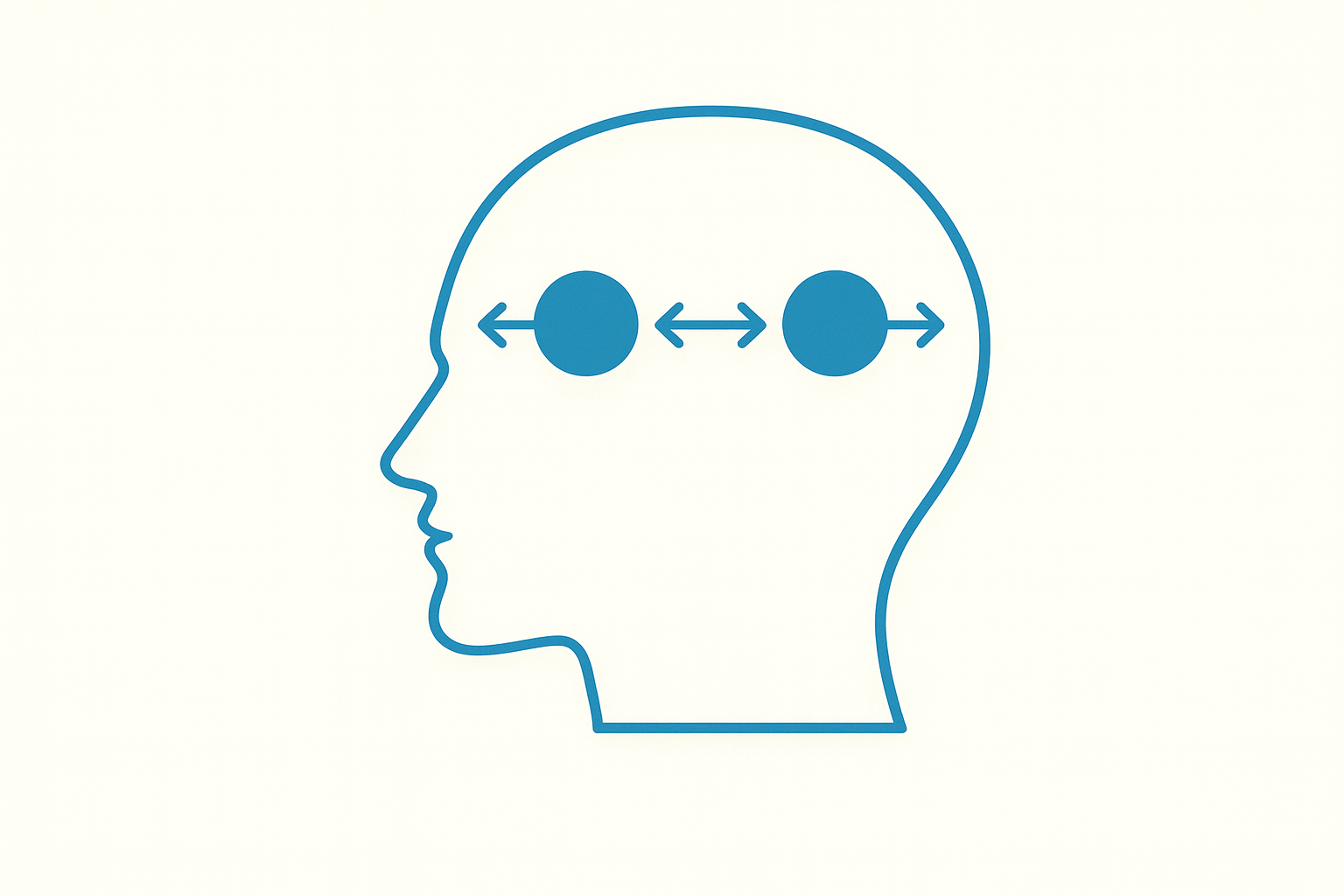
EMDR therapy focuses on helping the brain release traumatic memories that are “stuck,” causing emotional pain and negative beliefs. Unlike traditional talk therapy, EMDR uses bilateral stimulation, such as guided eye movements, tapping, or auditory tones, to activate the brain’s natural healing processes.
This therapy has been shown to reduce the emotional intensity of distressing memories, replacing them with healthier, more positive beliefs. Learn more about the research behind EMDR.
How does EMDR work?
The 8 Phases of EMDR
Your step-by-step path to healing and feeling like you again
-

Tell me your story.
We’ll explore your past and find the moments that need a bit of focused healing and care.
-

Get grounded and ready.
Learn simple, calming tools to help you feel centered and confident before we dive in.
-

Spot the sticky stuff.
Together, we’ll find the memories or beliefs that keep looping and holding you back.
-

Rewire the feels
With gentle eye movements or tapping, we’ll help your brain file those memories where they belong — in the past.
-

Build the good stuff.
Replace old, limiting beliefs with new, empowering ones that actually fit your true self.
-

Tune into your body.
Notice where your body’s holding tension and learn to release it with care and curiosity.
-

Close and ground.
We’ll end each session on a peaceful note, so you leave feeling steady and supported.
-

Reflect and celebrate.
Check in on your progress, fine-tune the work, and celebrate how far you’ve come.
PTSD
Trauma
Complex PTSD (a lasting reaction to repeated trauma that affects emotions, relationships, and feeling safe)
Anxiety
Career and professional issues
Negative self-beliefs and false guilt
Who is EMDR for?